The Netherlands is switching to renewable energy sources, such as solar panels and rechargeable batteries. To keep the power grid reliable, it is important that the demand for power and the supply of energy sources are accurately matched. This is where artificial intelligence, sensors and other data applications can help. But then the public interest must come first. That's what this article is about.
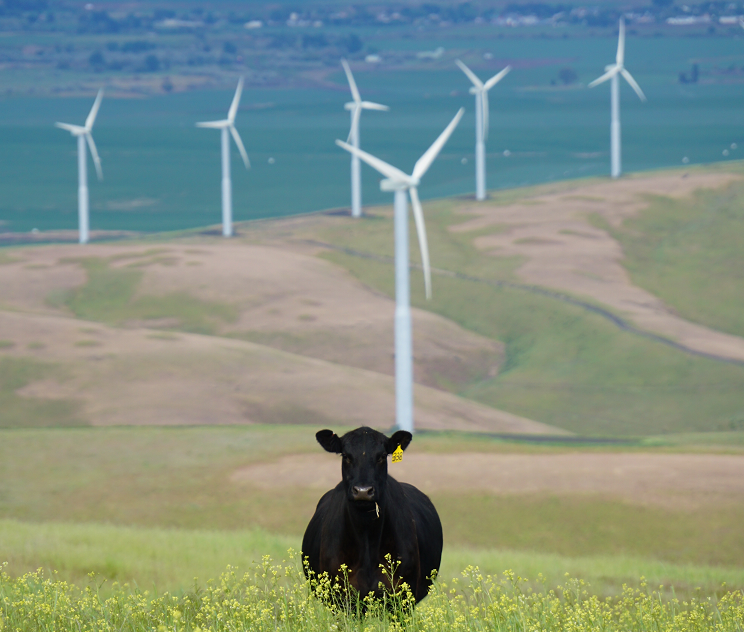
The Energy Act states that energy must be reliable, affordable, safe and clean. The transition to clean means that there will be many renewable energy sources, such as solar, wind and batteries. And that more renewable energy sources must be able to be tapped quickly. Currently, almost all electricity in the Netherlands is generated by large coal and gas power plants and a nuclear power plant.
Because renewable energy sources are mostly decentralized and variable, it will become increasingly difficult to match energy supply and demand. Grid capacity will come under more frequent pressure. The national grid operator, TenneT, keeps the energy system in balance. Active management of local distribution networks by regional grid operators will become more important.
In this transition, data, sensors and artificial intelligence are crucial. Digitization can make the energy grid more affordable and reliable. Based on data about supply and demand, algorithms can direct supply by, for example, turning off sources or storing energy, and adjusting demand through price incentives.
Thus, the energy transition is a double transition: from fossil to renewable and from data-low to data-driven, with the help of digitization and automation. With this, the adequate management of data becomes a critical core function of the energy market. Therefore, it is of great importance that energy data be managed from public benefit. This requires direction from the national government.
The challenge is to harness the knowledge of supply and demand for clean, reliable, safe and affordable energy for all - not just for profit maximization, for example. These five points therefore deserve more attention:
1: Guarantee digital security
The Netherlands cannot do without a reliable power supply because it enables other vital infrastructures, such as communications and payments. In the coming years, the transportation sector will also become more dependent on electricity, as will controlling the temperature in buildings.
Digitization makes this system vulnerable, due to possible software errors, unpredictable behavior by algorithms and cyber attacks. In 2018, the Council for Environment and Infrastructure warned that especially that part of the energy system that is in private hands has many vulnerabilities. A robust digital infrastructure (including telecom infrastructure over which data is transported and the data centers where energy data is stored) for the power grid is thus a critical national security issue.
2: Invest in national digital innovation power
Managing a digitized energy system requires knowledge and experience in digital technology and data management. Currently, grid operators do not have sufficient knowledge. This raises the question of whether the Netherlands will have sufficient knowledge and skills in time to efficiently manage a highly digitized power grid.
There are also concerns about the innovative power of the energy sector. If it lags behind, there is a growing possibility that high-tech companies will dominate the energy market through their data power. They are already entering the energy market, and they do have digital knowledge and global ICT platforms. Such a scenario is undesirable because it jeopardizes national democratic control over our power grid.
Investing in national and European digital innovativeness is therefore urgent.
3: Protect consumer privacy and autonomy
Digitization offers companies and governments opportunities to monitor user behavior, profile users and influence their choices. This can harm people's privacy and autonomy. If we make wrong choices now in how we handle user energy data, digitization of energy supply will also lead to loss of consumer privacy and autonomy.
So oversight of how algorithms affect consumer privacy and autonomy is also key. Users should be able to access their energy data, have control over it, and be able to take it with them to another energy provider. This is called data interoperability; this should ensure that users do not become dependent on one provider of products and services, and can switch providers without substantial switching costs or inconvenience.
The Winter Package "Clean energy for all Europeans" was introduced by the European Commission and the Council in late 2016 and adopted in spring 2019. This package promises European citizens a "more active role, more choice and flexibility. Combined with digitalization, decentralized sources (such as solar panels) and energy storage systems offer citizens new opportunities to actively participate in - and benefit from - the energy market. Yet it is already difficult for many consumers to make well-informed choices, autonomously. Therefore, governments must ensure that the increasingly complex system remains understandable to consumers and that they are actually empowered to take advantage of these new opportunities. It is also important to consider laggards.
It is also important that regulators remain able to monitor the accessibility of information and the affordability of energy supply for consumers. Since the European package must be implemented at the national level by the end of 2020, it is high time to ensure that the interests of "prosumers" are safeguarded from a digitalization perspective.
4: Ensure a fair digital energy transition
The Winter Package assumes that every European citizen is able to benefit individually and make the right choices. This assumption is unfounded when we look at other domains where data power has actually led to unequal access. A well-known example is that smart algorithms show a different price for a hotel to different consumers, based on previous search behavior.
The transition to sustainability with generation from decentralized sources in itself is already not working out the same way; think of subsidies for solar panels and electric cars that mainly go to the wealthy. Digitalization can reinforce this trend.
Fair distribution of the joys and burdens of the energy transition requires a thoughtful recalibration of rules and tariff structures from the perspective of reliability and affordability for all. When the individual behavior of consumers contributes to the system value of services and the intended sustainability, this should be rewarded; consider a fee when a person does not charge the electric car between 6 and 8 p.m. on a rainy, windless day. At the same time, not every consumer is susceptible to price incentives and regularly makes irrational choices as well. This raises the question: are all people capable of taking advantage of the new situation.
5: Develop a broad vision of data governance from a public benefit
Early this year, the Consumer and Market Authority (ACM) warned that the current model of data governance - the set of agreements for managing energy data - is not suitable for facilitating the energy transition, because it is still based on a system in which meter readings are requested once a year and a limited number of market parties have access to this data. The new European Directive 2019/944 stipulates that all eligible parties must have access to energy data in a non-discriminatory manner. The idea is that parties with new, data-driven business models can accelerate the energy transition, within the right framework conditions, and bring sustainability goals closer. But they are currently still excluded.
The national government wants to implement the above European directive through the new Energy Law 1.0. But in doing so, it only looks at a few types of energy data, namely 1) the Central Connection Register (CAR), 2) the Contract End Register (CER) and 3) the so-called P4 data from the smart meter. These so-called "data for the meter" are currently transmitted with a day's delay every 15 minutes. With the introduction of the Energy Act 1.0, the government wants to make it possible for the quarterly data to be transmitted and made available 'real time'. According to expectations, this will make new services possible.
The smart meter was introduced in 2009 for energy efficiency reasons. But from a privacy point of view, the proposed change in the law involves a big target expansion of the smart meter.
A broad view of data governance requires looking at other types of energy data as well. For example, to "data behind the meter," such as data from solar panel inverters and the smart thermostat, such as Google's "Nest. And also data from charging stations or car batteries. At the moment, it is not clear to users what exactly happens to this data. The energy sector is also asking for clear agreements on the management and sharing of this data. These energy data are not covered by Energy Act 1.0, although they have the potential to play an important role in the energy transition because they can increase the flexibility of the energy system.
It is necessary to consider data management from a public benefit perspective. This requires:
clarification of principles for dealing with energy data such as non-discriminatory access, control over data and ensuring data quality - far-reaching digitalization makes collective agreements on the management and sharing of energy data urgent;
safeguarding public values such as privacy, security and autonomy (points 1 and 3);
securing a level playing field of power and control over technology (see Upgrading Report, 2017). The world of data now offers many examples of data monopolies, which preclude competition. Finally, automatic decision-making can put pressure on democratic control over technology. In times of scarcity, do we let an algorithm decide who gets power or not? And who then controls the algorithm (point 3)?
The most important question, however, is how Dutch citizens can retain control over the data-driven energy system. It is up to the national government to ensure that in the future, too, democracy shapes our energy system, not democratically uncontrollable tech companies. It must therefore work toward a broad national vision for energy data governance. Such a vision should clarify which organization(s) will be assigned the role of (energy) data manager. Will that role go to the national grid operator, the joint grid operators, or some other party?
See also message to Parliament: Manage energy data from public benefit
source: Rathenau Institute
This article can also be found in the Digital Transformation dossier