American women are widely uninstalling menstrual apps from their smartphones. They fear that the private data the apps collect could serve as criminal evidence to prosecute women who terminate pregnancies. Developers of menstrual apps have announced measures to safeguard users' privacy. So write several media outlets, including NU.nl and de Volkskrant.
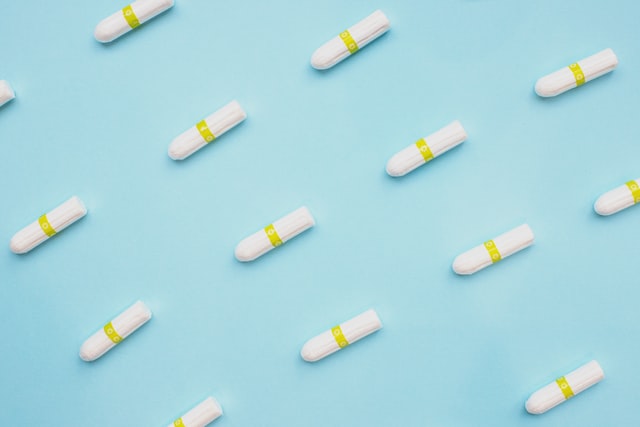
Menstrual apps are applications that allow women to keep track of their cycle. It gives them an indication of when their periods are due, on which days they are most fertile and when they are least likely to get pregnant. For many women who want to get pregnant -or prevent pregnancy- menstrual apps are the way to go.
American women are currently deleting these apps en masse. That's because of a Supreme Court ruling. A majority of the Court last week overturned the ruling in the 1973 Roe v. Wade case. That ruling ruled that individual states could not ban abortion. Since then, abortion has no longer been federally regulated, but is a national right for all women.
Because the Supreme Court drew a line under the 50-year-old ruling, women across the U.S. are protesting the decision. They fear that at least 20 states will ban abortion. That will have major consequences for women who have had unwanted pregnancies. If they live in the "wrong" state, they may have to travel thousands of miles to have their pregnancy legally terminated. With all the emotional and financial problems that entails.
With a nationwide ban on abortion possibly imminent, menstrual apps suddenly pose a big risk. Women do not fear that their data will be sold on to ad network operators such as Google and Facebook. It is common for such parties to use personal data such as location data and menstrual cycles to offer personalized ads.
American women fear that the data collected by menstrual apps could be used as evidence if they are sued for terminating a pregnancy. Privacy experts say these fears are not unfounded. "We expect tech companies to get subpoenas for citizens' search histories," Dana Sussman of advocacy organization The National Advocates for Pregnant Women told news channel CNBC.
Developers of menstrual apps have announced measures to better ensure the privacy of its users. Flo announced last week an anonymous mode in its app. By enabling this mode, data cannot be traced back to individual users. Thus, governments cannot request this data.
"The thought that U.S. authorities could use people's private health data against them is infuriating and frightening. Without fueling further fear or speculation, we want to provide clarity and reassurance to our community," Clue stated on Twitter last week. The company says it is making every effort to keep users' health data private.
Researchers doubt that it is possible to anonymize all data. One of them is Marijn Sax, a researcher at the Institute for Information Law (IViR) at the University of Amsterdam. Menstruation apps, he says, are designed to give users "a safe, pleasant and familiar feeling" on the outside. In reality, they make false promises they cannot keep.
"The tech sector is built on broken promises," Sax told the Volkskrant. "You don't have to be cynically inclined to see a deliberate pattern in this. Moreover, he says, "Anonymization is not an on-and-off switch, but a scale. We will have to see how anonymous these health apps will really become."