Permanent camera surveillance of employees' permanent workplaces is not permitted. Cameras may only be used when strictly necessary, for example for safety reasons in the event of incidents, and not to systematically monitor or assess employees. This also applies if camera images are only viewed retrospectively. This was emphasized by the Autoriteit Persoonsgegevens AP) following a complaint and discussions with public transport company Arriva about the use of cameras on their buses.
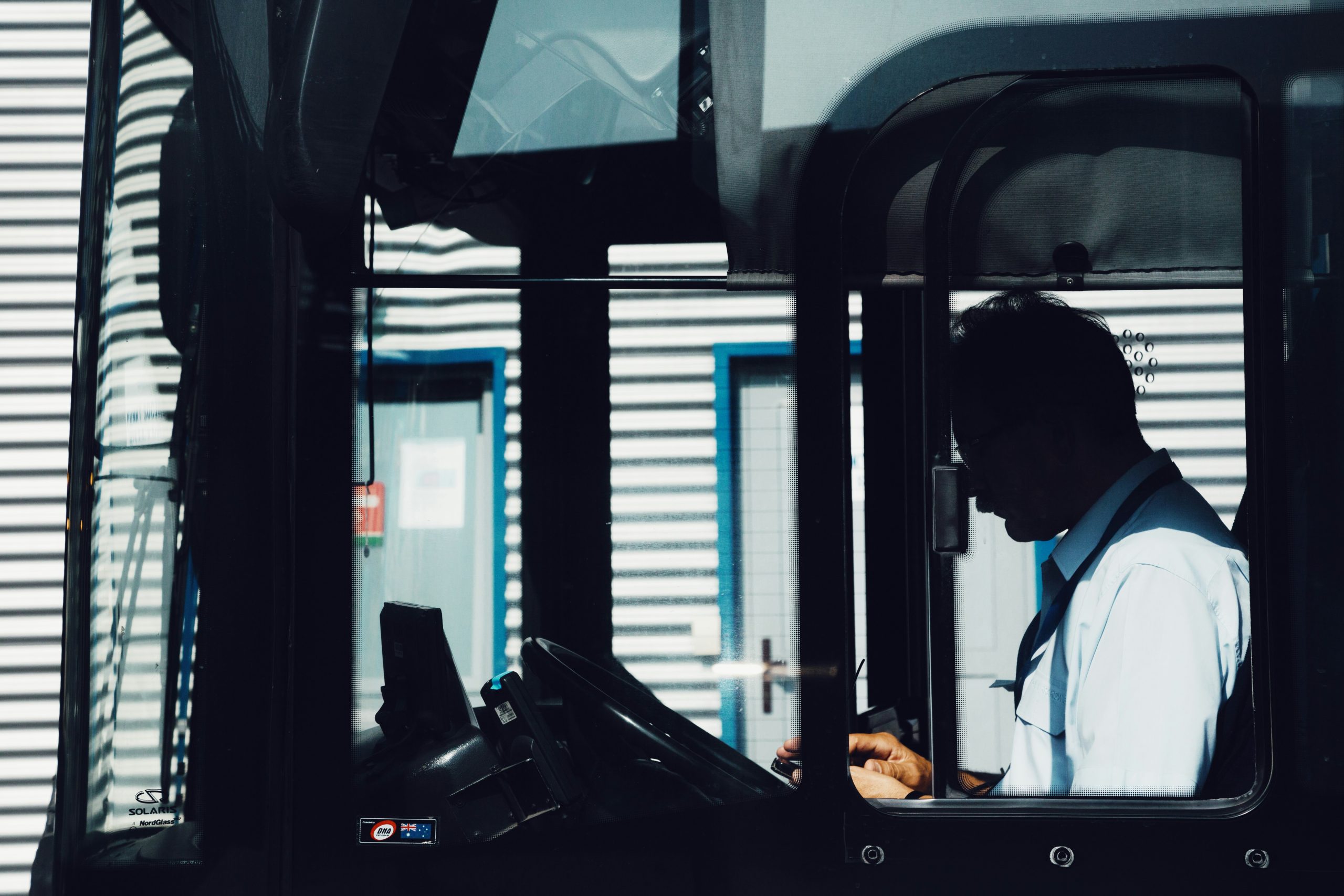
Cameras in vehicles can contribute to the safety of passengers and staff, for example in the event of incidents around the entrance or payment equipment. However, there are clear limits to their use. Camera surveillance should not lead to permanent monitoring of employees at their permanent workplace.
"Employers must ensure that cameras do not record more than is strictly necessary," says Monique Verdier, vice-chair of the AP. "Camera surveillance should never be a covert means of monitoring or assessing employees. Safety is important, but so is privacy in the workplace."
The AP has made agreements with Arriva about this. The company will take measures to ensure that drivers are no longer visible at their fixed workstations. This includes technical adjustments to cameras, modifying internal protocols, and drawing up clear instructions for employees.
The AP sees such informal discussions as an example of how supervision can lead to concrete improvements without the immediate need for formal enforcement measures.
The AP draws the attention of all employers in public transport, but also in freight transport, for example, to the following principles:
Employers are responsible for carefully balancing safety and privacy. This means that camera surveillance may only be used where necessary, with as little infringement on employee privacy as possible.
The AP will continue to monitor this issue and, where necessary, engage in dialogue with organizations to promote compliance with privacy regulations.