
The Central Bureau of Statistics reports in a new survey that a large portion of the Dutch population does not use generative AI (artificial intelligence). The figure is a whopping 77 percent versus 23 percent who do use AI programs such as ChatGPT. It is true that interest in smart devices and systems such as smart watches, smart TVs and even smart water, gas and electricity meters is on the rise in the Netherlands. As many as 89 percent of the Dutch population has smart devices in their homes.
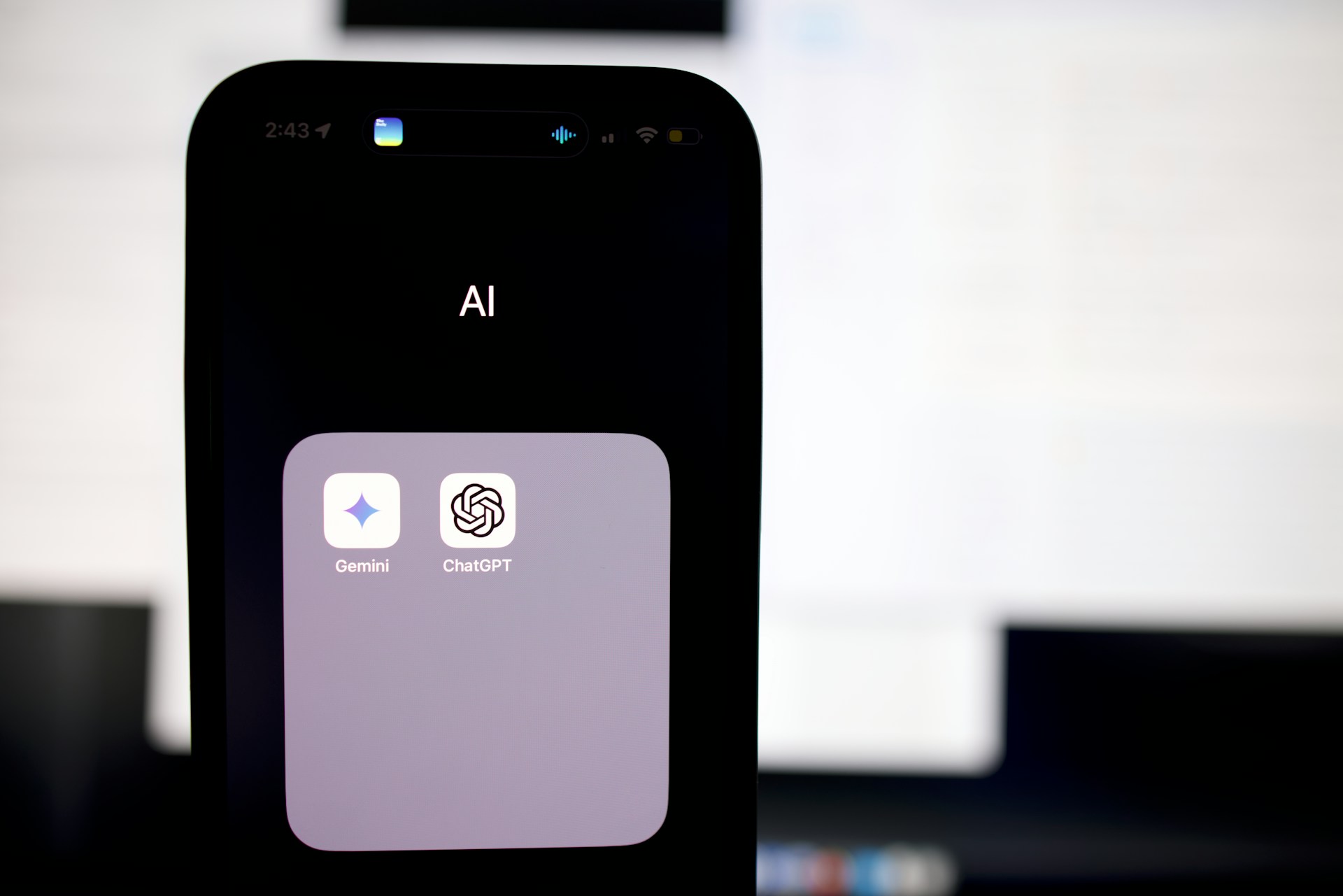
One thing is immediately apparent from the survey: there is a generation gap when it comes to the use of artificial intelligence. Of the 18- to 25-year-old group, a whopping 48.7% use a program with artificial intelligence such as ChatGPT. This is followed by 25 to 35-year-olds, with 41.5%.
Among older generations, these figures are much lower. Among 55- to 65-year-olds, only 12.1% use a program with AI. For the 65- to 75-year-old group, the figure is 5.2%.
Some of the rest of the results:
College and university graduates use ChatGPT most often (34%)
19% of people with a HAVO, VWO, or MBO degree use artificial intelligence
The most common purpose of these AI assistants is to create texts, videos or images
By 2024, as many as 89 percent of the Dutch population reported having smart devices in their homes. Also, more than 4 in 10 Dutch people use a virtual assistant, such as Google Home, Siri or Amazon Alexa.
CBS notes that interest in smart gadgets and accessories is increasing, although 1 in 5 Dutch people also experience problems using or installing smart systems.
Among the non-user group, several reasons were cited for foregoing smart devices: no need, concerns about privcacy, or high cost.
Do you ever use generative AI or smart devices? Unfortunately, programs like ChatGPT don't always handle your privacy with great care. Smart devices such as fitness trackers can also carry privacy risks.