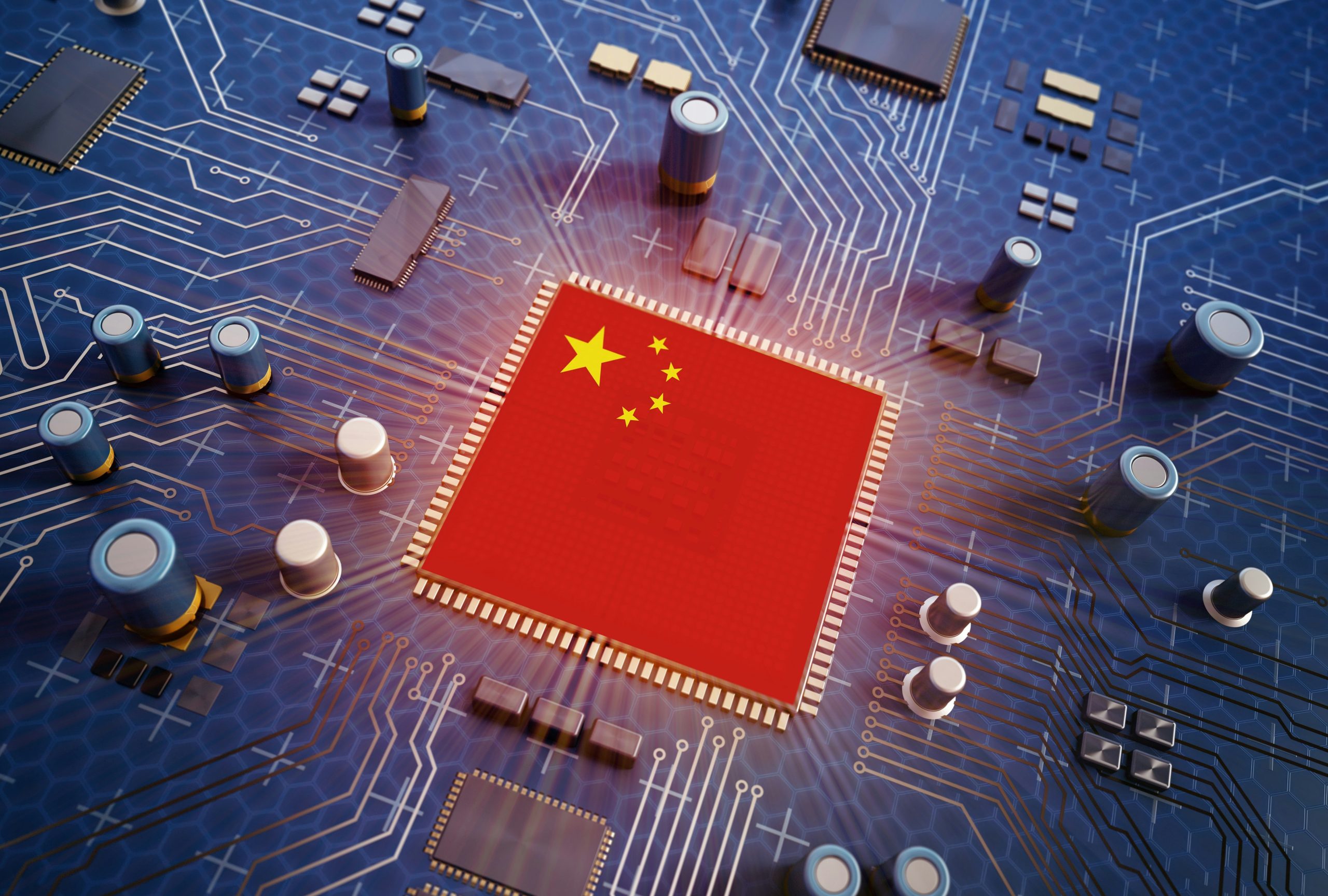
The European Commission is working on a strict new bill to drastically limit the influence of Chinese technology companies, such as Huawei and ZTE, in Europe. Although the measure is intended to protect national security, the plan is meeting with fierce resistance from EU member states. According to Politico, they fear that Brussels is undermining their national sovereignty.
For years, Brussels has been trying to convince member states to exclude "high-risk suppliers" from their critical infrastructure. Until now, this has mainly been done through soft pressure, such as the so-called "5G toolbox." However, the results have been meager: many countries, including Germany, have still not completely replaced Chinese equipment in their networks.
The European Commission has now had enough. In a new draft bill, which is part of the revision of the Cybersecurity Act, Brussels wants to assume more direct power. Instead of non-binding recommendations, the Commission would be given the authority to compel member states to ban Chinese tech suppliers if they pose a security risk.
It is not only the telecom sector that is under scrutiny. The scope of the plans could be extended to other vital sectors, such as healthcare, energy supply, and transportation. The core message from Brussels is clear: "technological sovereignty" is necessary to prevent Beijing from disrupting the European economy at the touch of a button.
Despite shared concerns about China, there is considerable skepticism in capitals such as Berlin, Paris, and Madrid. Member states view national security as an exclusively national domain. They therefore regard the Brussels initiative as a "power grab."
Member States fear that:
Tensions have run so high that the presentation of the bill has been postponed several times. Initially expected this week, its publication has now been moved to the end of January to allow more time for internal consultation and to calm tempers in the member states.
The United States is also watching closely. Washington has long taken a hard line against Chinese tech and hopes that Europe will follow suit. However, Brussels finds itself in a difficult position: it wants to strengthen ties with the US and guarantee security, but at the same time it wants to chart its own course without undermining unity among member states.
The battle for Chinese technology has grown into a fundamental debate about who holds power in Europe. Is it the European Commission that safeguards collective security, or do national governments remain in charge of their own backyards? The outcome of this legislative process will determine Europe's geopolitical position in the coming years.