In order to make the Central Archive for Special Criminal Justice (CABR) fully searchable online for everyone, with context and linked to other war sources, the Council of Ministers has agreed to an amendment to the Archives Act. The amendment to the Archives Act is intended to ensure a better balance between the protection of personal data and access to government information and cultural heritage. The amended Act will be sent to the King for signing and then to the House of Representatives.
Minister Moes of Education, Culture, and Science: “An online searchable CABR is important. And preferably as soon as possible. Many people are looking for information. This includes elderly people who are still searching for answers to their questions about the fate of their loved ones during World War II. And not only for them; it is also essential that everyone can learn about World War II and conduct research on it. Especially now that fewer and fewer eyewitnesses are still alive, archival documents are becoming more important in telling the story of World War II."
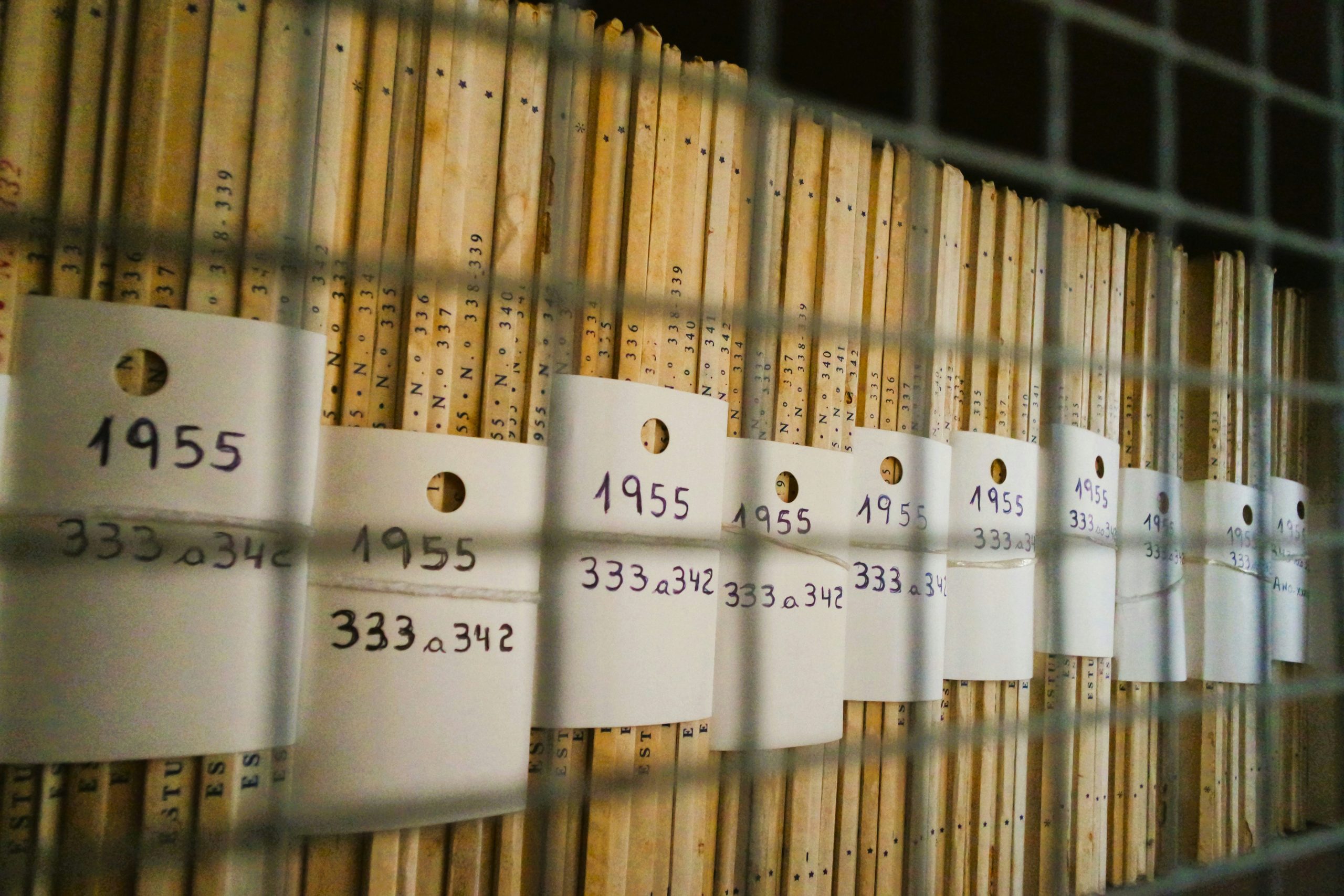
The CABR is the largest and most frequently consulted archive on World War II in the Netherlands. The archive contains files on individuals who were investigated after World War II because they were suspected of collaborating with the German occupiers. It therefore also contains a wealth of information about victims of World War II and the Holocaust. The aim of the War Before the Court project is to make this archive accessible to everyone via the internet after digitization, providing context and making it searchable word for word. The intention to put the archive online led to a formal warning from the Dutch Autoriteit Persoonsgegevens AP) because there was no legal basis for doing so.
The amendment to the Public Records Act provides a legal basis for making archives that are of great social importance, namely those relating to war, genocide, and crimes against humanity, accessible online. In many cases, these archives may contain sensitive or criminal personal data relating to people who are still alive. This must be taken into account. The bill therefore provides for appropriate measures aimed at protecting personal data. For example, the bill requires that a mechanism be put in place to report any personal data of living persons found in the online version of the archive.
All opinions received via an internet consultation and the advice of the AP, the Advisory Committee on Public Access and Information Management (ACOI), the National Archivist, and the Advisory Committee on Regulatory Burden (AcTR) have been weighed and incorporated into the amendment to the law. The Raad van State that this proposal strikes a balanced and careful balance between fundamental rights, values, and interests.
Before the legislative amendment comes into force, there is a temporary solution to provide limited access to the digitized part of the CABR: from February 2, 2026, citizens and researchers in each province will be able to reserve a place to consult the war archives digitally. Anyone with a research interest can, under certain conditions, conduct research in the war archives at 11 Regional Historical Centers. There will also be a facility focused on scientific research at the NIOD in Amsterdam. Last year, a temporary facility was opened at the National Archives in The Hague.
The fact that there is a great need for more information about World War II is also evident from new visitor figures published today by the National Archives. In 2025, 11,274 unique visitors reserved items from the CABR, more than five times as many as in 2024 (1959). They requested a total of 55,546 documents. In 2024, that number was 11,269.
War before the Judge is a project of the National Archives, NIOD, Institute for War, Holocaust, and Genocide Studies, WO2NET, and the Huygens Institute, funded by the Ministry of Health, Welfare and Sport, the Ministry of Education, Culture and Science, and the Ministry of Justice and Security.