Algorithms can support forensic experts in speaker recognition and facial comparisons, as well as in tracing criminal money flows, for example. In the lab AI4forensics, which opened today, four PhD students and a postdoc are conducting research on artificial intelligence in forensics. The lab is a collaboration between the University of Amsterdam (UvA) and the Netherlands Forensic Institute (NFI) and is located in the ICAI - Innovation Center for Artificial Intelligence in Amsterdam.
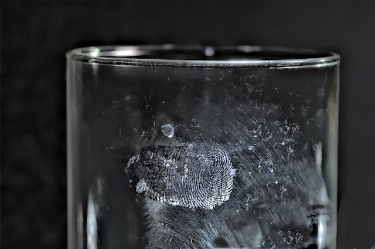
The AI4forensics research lab focuses on the application of artificial intelligence (AI) in forensic evidence, making it unique of its kind in the Netherlands. 'In five years, we will apply AI even more than now,' states Prof. Zeno Geradts. A forensic scientist at the NFI and associate professor of Forensic Data Science at the University of Amsterdam, Geradts is one of the initiators of the lab. 'AI is radically changing the forensic investigation field in the coming years,' he expects. 'It can be used objectively and we can gain a lot of efficiency from it. More and more AI is needed to process the growing amounts of data. With the large amounts of data, we can eventually hopefully predict crimes and even prevent crimes.'
Four doctoral students and one postdoc will work in the new lab. One PhD student is focusing on speaker recognition. In addition, a PhD student and a postdoc are working on developing computer models for recognizing hidden messages in photos or videos and for the recognizing deepfakes. Another PhD student is in the field of Data2Activity and is investigating whether sensors (including movement) in cell phones and smartwatches can be used to find out what someone has been doing. The fourth doctoral student will work on AI for, among other things, recognizing money laundering patterns
That the lab is there now, Marcel Worring, professor of Multimedia Analytics at the UvA, calls an important milestone. 'With four PhD students and a postdoc, we now have the capacity to conduct constant research. This is done on the basis of a joint research agenda for the coming years. Until now there was always uncertainty and we had no structural basis to look far ahead. That is now in place and it was badly needed. The research of the NFI and the UvA complement each other excellently, and by bringing practice and theory together our lab can start leading to innovative solutions.'
Dr. Annemieke de Vries, Director of Science and Technology at the NFI: 'We expect a lot from the application of AI in forensic practice, such as in recognizing patterns between cases. Specifically for technologies such as AI, cooperation with universities is necessary, because these developments are moving at lightning speed and we need to bring the innovation initiatives together if we don't want to be behind the times. As NFI, we will therefore have to make especially smart choices about where to focus our innovations, in order to keep forensic investigation at NFI constantly developing, and to be ready in time for applications in the forensic chain. The new AI4forensics lab and the intensification of cooperation with Marcel Worring's research group at the University of Amsterdam will certainly help us with that!'