
Students with a Moroccan and Turkish migration background with a Dutch prior education are gradually finding their way to universities in the Randstad, including Utrecht University. This is synchronous with the increasing size of the group with so-called second generation migrants and their gradually increasing participation in havo and vwo education. These are students born in the Netherlands with at least one parent coming from abroad. This is evident from studying data made available by Statistics Netherlands (CBS) at the request of the universities of Amsterdam, Leiden, Rotterdam, Utrecht and Wageningen.

Overall, diversity among the immigrant group with Dutch prior education has increased significantly over time. In fact, CBS data also show an increase in the number of students with Dutch prior education and an Asian migration background (think China in particular, but also India and Pakistan). To avoid any misunderstanding: these are not international students, but students born and raised in the Netherlands.
Until 2018, universities themselves had insight into the diversity of their student population. After that time, DUO no longer routinely supplied the country of birth of parents with the data universities received. This was due to tightened privacy laws.
One of the goals in UU's Equality Diversity and Inclusion (EDI) Strategy and Action Plan 2021-2025 is to be able to report on diversity data, to understand the student and employee population, among other things focusing on migration background. So for some time there has been an information gap that was filled to the best of our ability with internal surveys, interviews and observations. This made developing policies and interventions by the EDI Office difficult. UU's EDI Office collaborates with other universities that also want insight into their diversity data. This makes comparison of student data possible. "With the CBS figures, we will now have a more reliable compass in our hands with which to chart, measure and evaluate our course for the coming years. It is of course important that we can substantiate our policy with measurements," said Henk Kummeling, rector magnificus of UU.
''With the CBS figures, we will have a more reliable compass in our hands with which to chart, measure and evaluate our course for the coming years.''
Prof. Dr. Henk Kummeling - Rector magnificus Utrecht University
CBS provided the universities with a dataset (of course fully anonymized, not traceable) with intake figures of bachelor and master students by country of origin over a 14-year period. This shows that the intake of students with a Dutch prior education and a Moroccan and Turkish migration background at Utrecht University is increasing. On the other hand, the share of students with a Dutch prior education and a Surinamese and Dutch Caribbean background is decreasing (see Figure 1).
If we look at the prior education with which students with origins from the "classic immigration countries" (Indonesia, Dutch Caribbean, Suriname, Turkey and Morocco) enter the universities, (vwo, hbo; Figures 3 to 6) we see at all universities that the percentage entering from hbo is higher than the percentage entering from vwo.
In Bachelor's programs at Utrecht University, we also see an upward trend in the percentage of incoming students with a European origin and a Dutch prior education. We also see an increase in the percentage among other Asian students with a Dutch prior education.
The graphs below are based on the total intake of first-year undergraduate students with a Dutch prior education at UU.
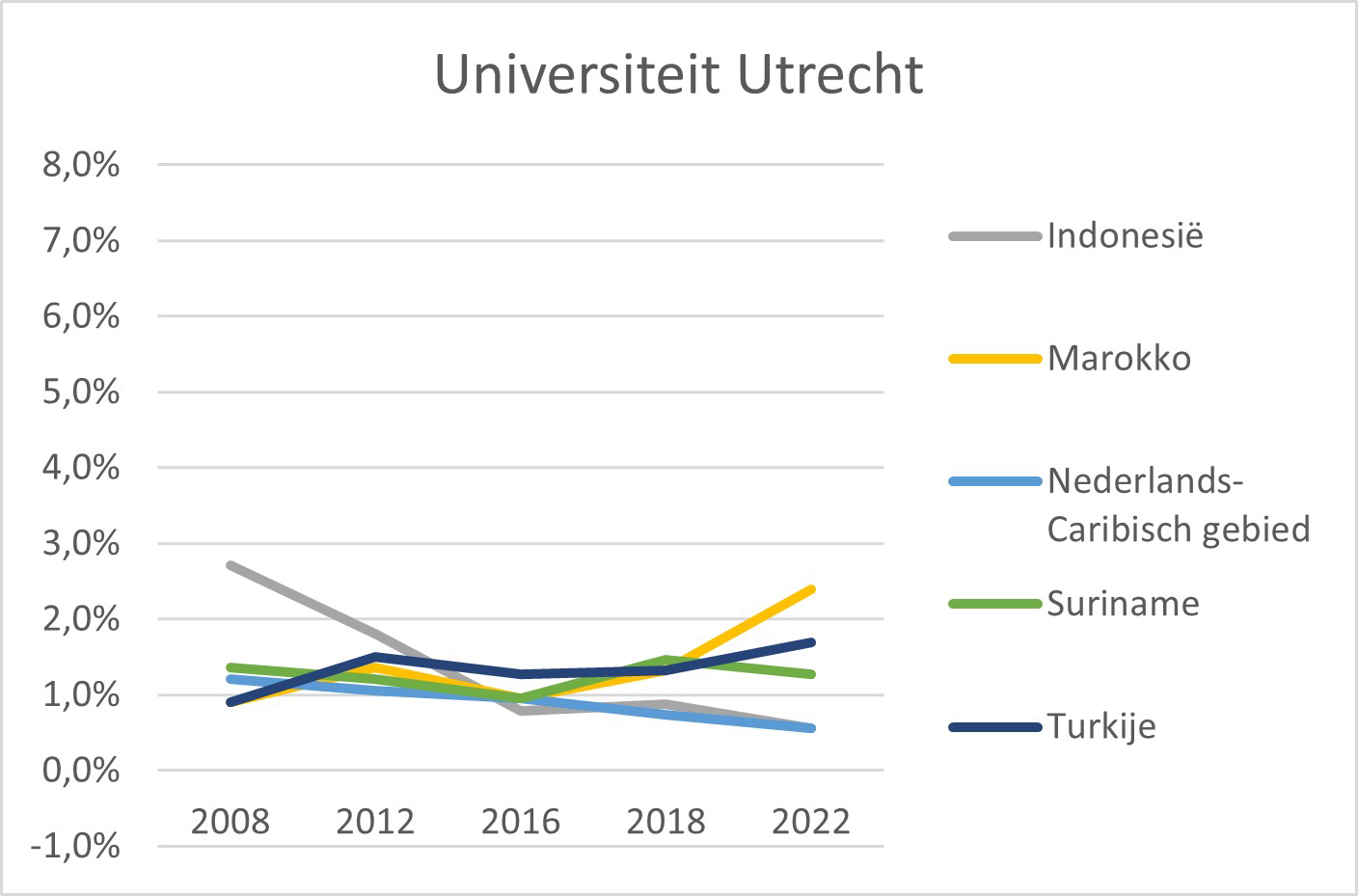
Figure 1. Enrollment of first-year BA students with a Dutch prior education and an origin from classical immigration countries at Utrecht University.
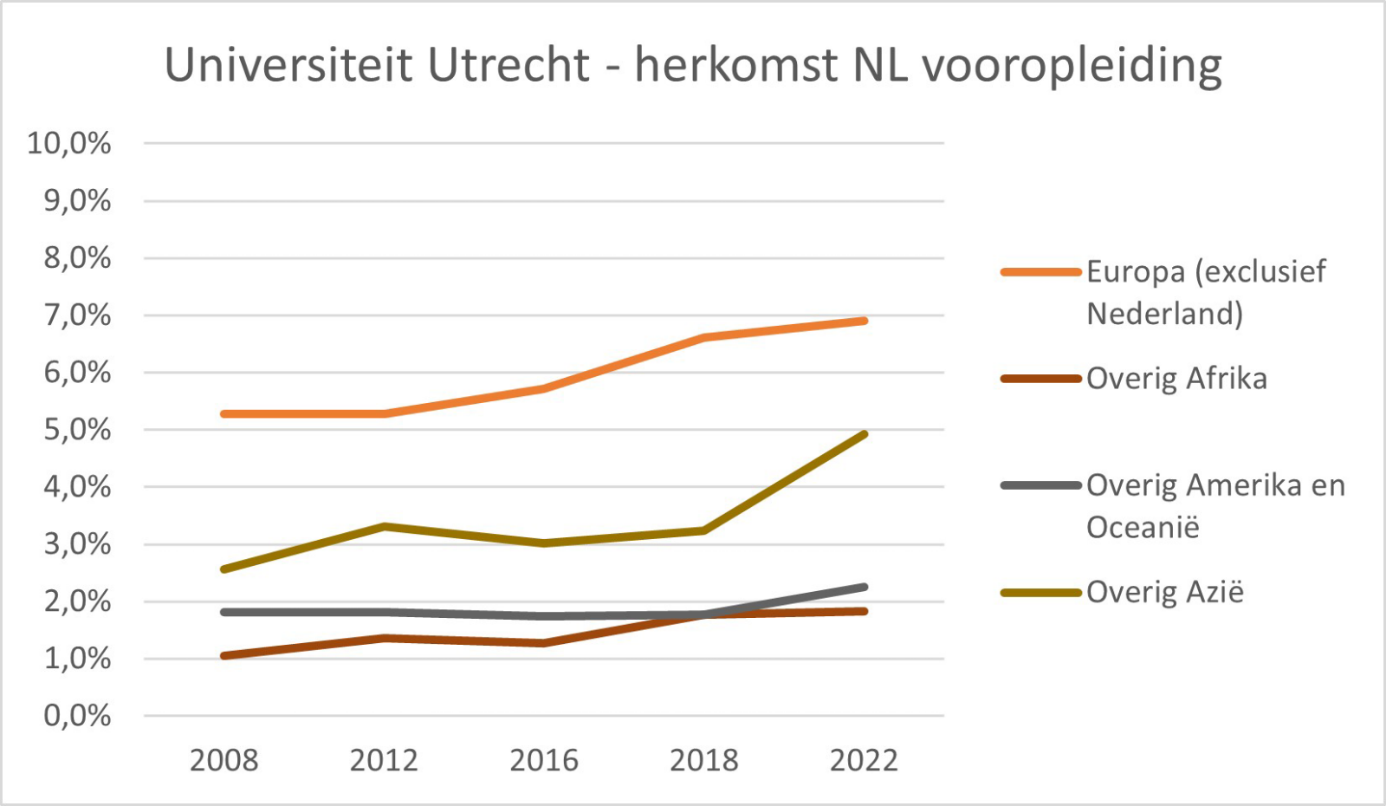
Figure 2. Enrollment of first-year BA students with Dutch prior education and origins from other origin categories at Utrecht University.
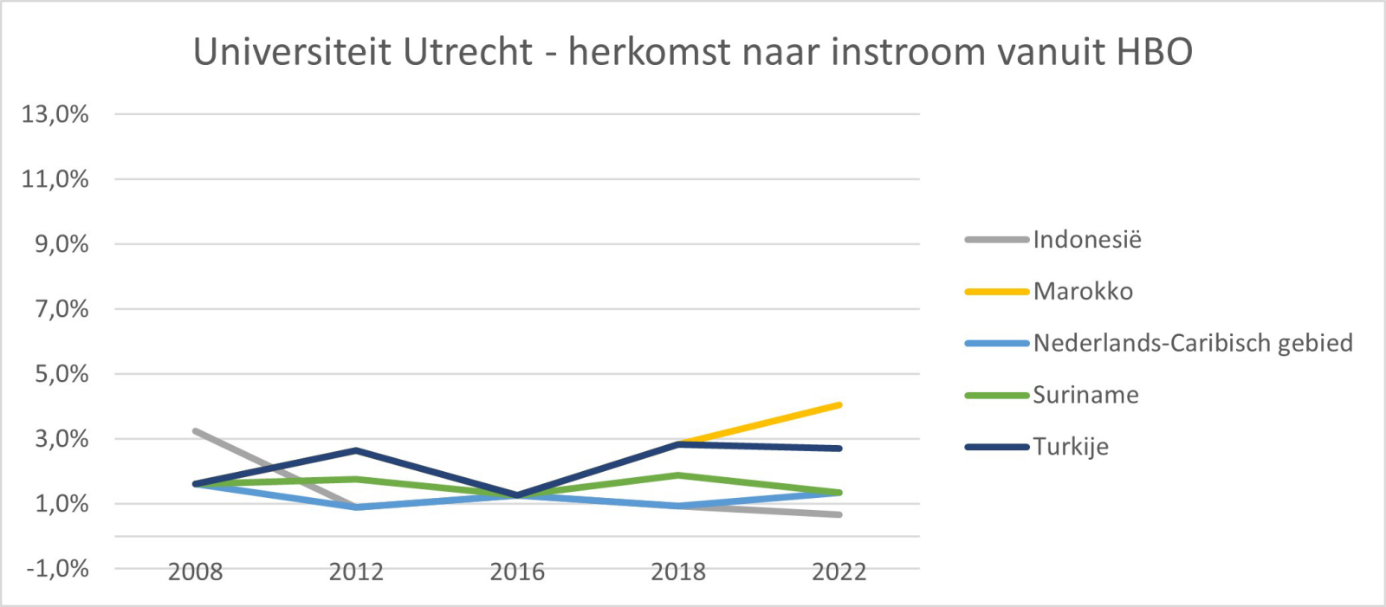
Figure 3. Enrollment of first-year BA students with a Dutch college education and an origin from classic immigration countries at Utrecht University.
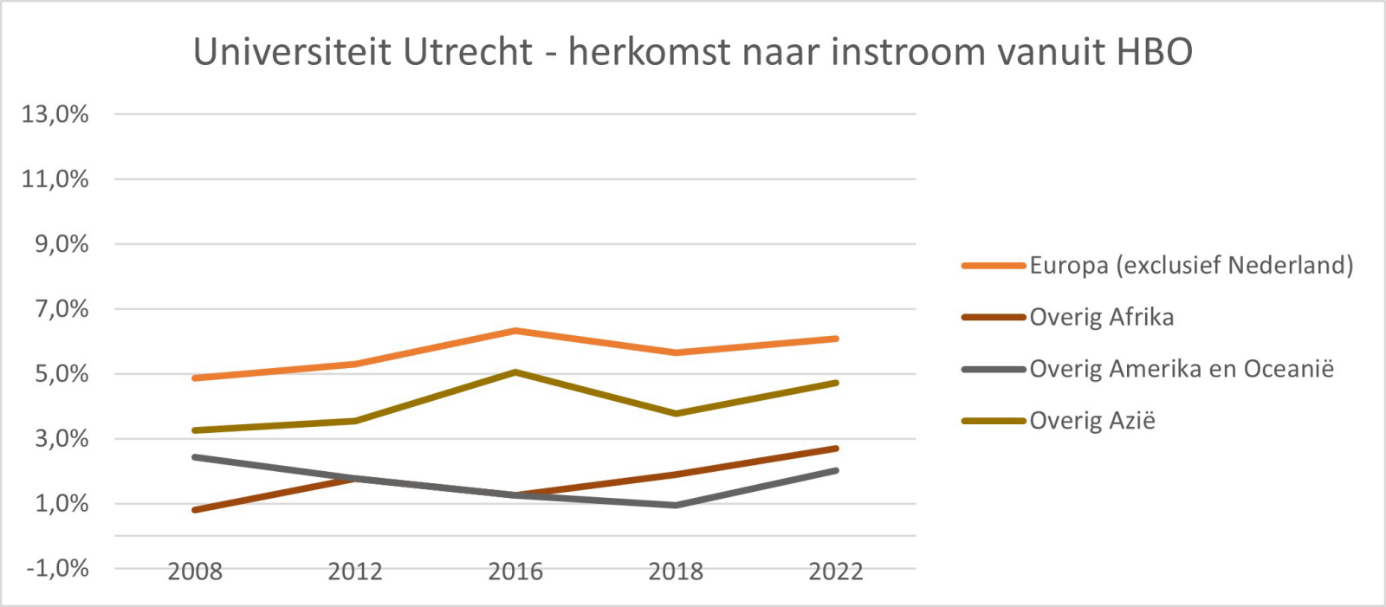
Figure 4. Enrollment of first-year BA students with Dutch prior education and origins from other origin categories at Utrecht University.
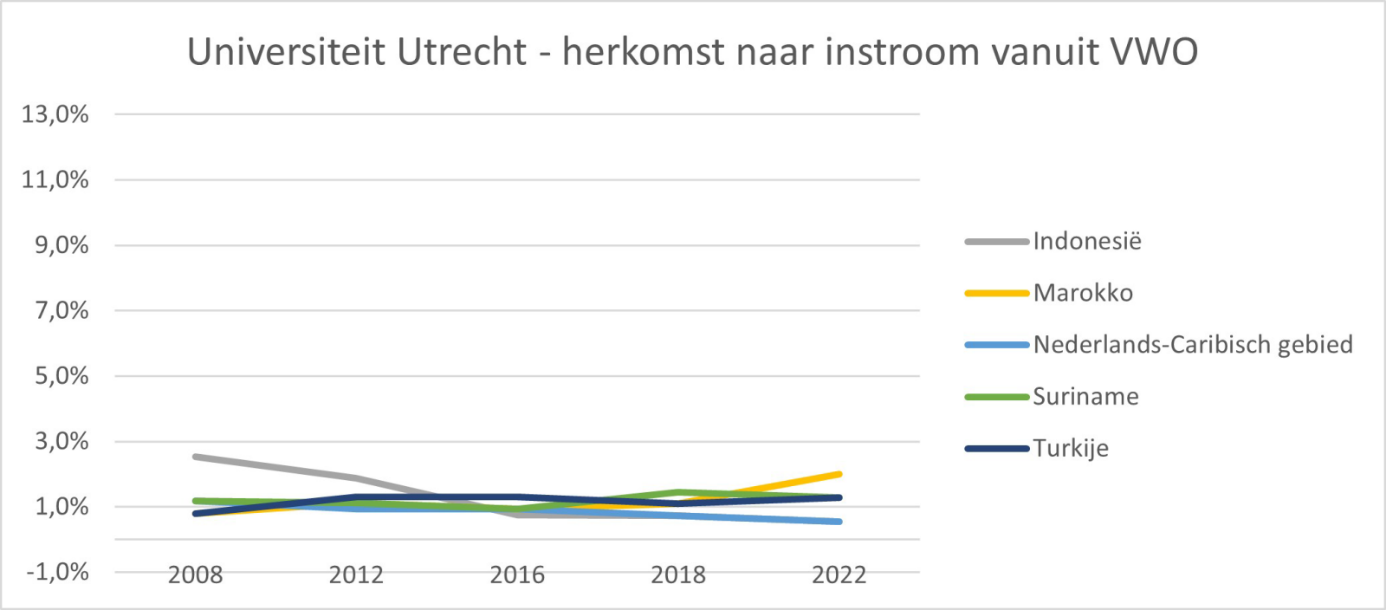
Figure 5. Enrollment of first-year BA students with a Dutch vwo prior education and an origin from classical immigration countries at Utrecht University.
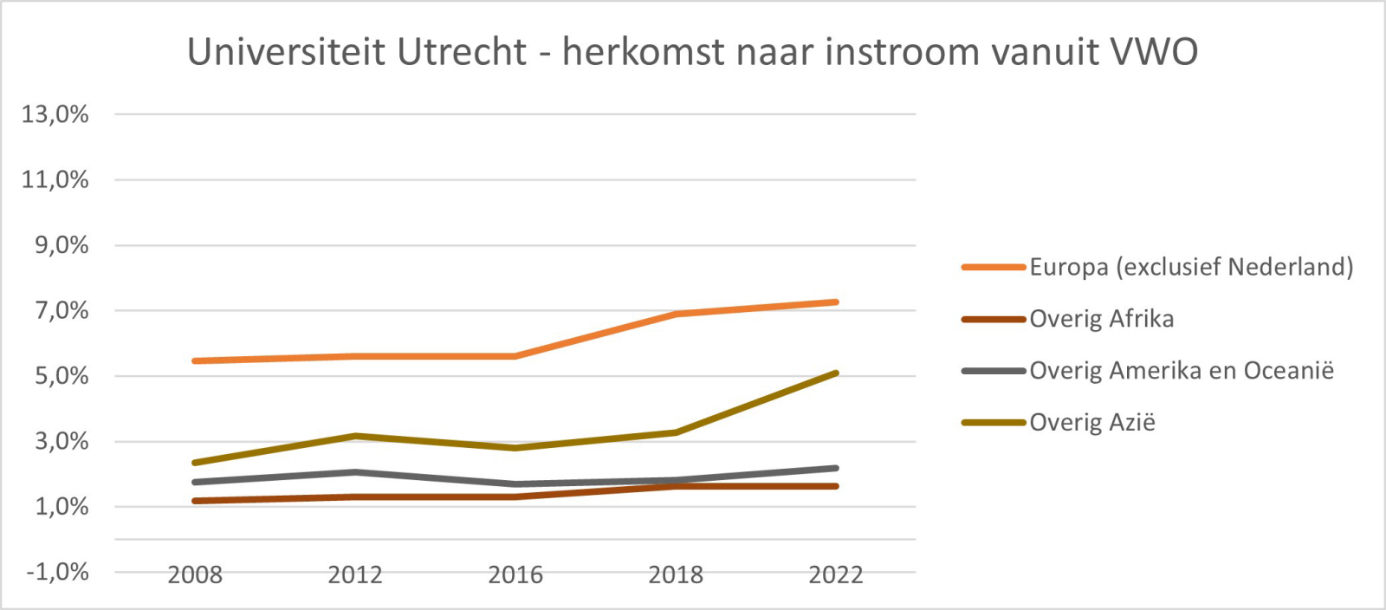
Figure 6. Enrollment of first-year BA students with Dutch vwo prior education and origins from other origin categories at Utrecht University.
The importance of the stack route through college to university used by the classic major migrant groups seems unchanged. Turkish and Moroccan Dutch students use this route more often; this was already known from the literature. This route is often related to an underestimated elementary school recommendation and a smaller access to havo/vwo schools based on frequent vmbo-t recommendation than for children from middle and upper class families of Dutch origin.
It is obvious to assume that due to the abolition of the scholarship in 2015 and the resulting financial risk of taking out a loan, this stacking route may have been a reason for college students from less affluent migrant families not to stack further toward university. More research is needed on this aspect. "Our focus as a university is to prevent unnecessary barriers among students with a migrant background so that they can move on to university as easily as possible," said John de Wit, diversity dean of UU.
''Our focus is to prevent unnecessary barriers among students from immigrant backgrounds so that they can move on to college as easily as possible.''
Prof. Dr. John de Wit - Diversity Dean Utrecht University