Recently, online dating celebrated its 25th anniversary - at least according to a radio DJ. This brought about a radical change in the dating world. Nowadays, you arrange a date from the couch. What's more, you can compile a list of requirements that a prospective partner must meet, and swipe right only the suitable candidates.
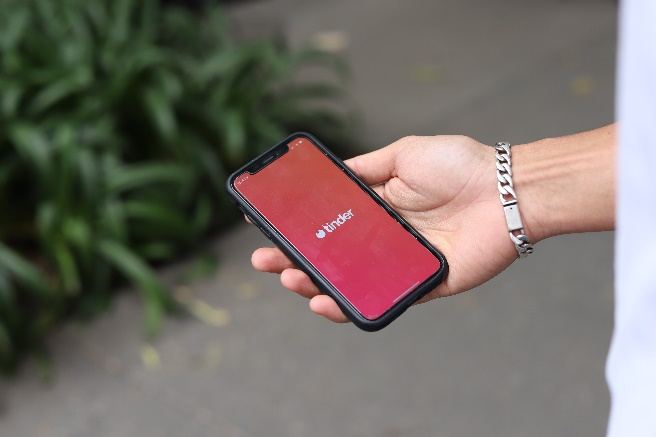
This is tremendously convenient, but it also comes with drawbacks. For example, online dating can make dating "in real life" more difficult. Your imaginary checklist of what a partner should meet remains in your head. Perhaps a person has a different level of education than you expected, or he or she does not live on their own, while you are looking for this. Because of the frequent swiping, these have become "hard requirements," making you less likely to give the person a chance than if you started with a blank sheet.
Despite the many success stories, there are dangers to online dating, such as the risk of grooming and sextortion. Moreover, you cannot be 100% sure that the person you think you are chatting with is actually who they claim to be. When meeting physically, this is an added security risk.
The ever-growing innovation has created yet another dimension of dating: the world of Artificial Intelligence. It will not have escaped anyone's notice that there are serious concerns about the meteoric rise of AI and the consequences of AI apps such as ChatGPT. Several high-profile figures, such as Barack Obama, are committed to keeping the development of AI safe.
Recently, Snapchat added an AI bot to its platform. Things immediately got out of hand: the bot suggested users meet up, which could make children think they were chatting with a real person. Fortunately, this was quickly adjusted, but it does show how easily the use of AI can go wrong.
So now AI has reached the dating world. There are countless people having a romantic relationship with an AI partner - that is, with a nonexistent person. One does not have to think long about this to immediately see dangers and risks. People may become too attached to the artificial world, which could alienate them from the "real" world.
Yet AI dating also has positive aspects. Dating an artificial person can work very well for processing traumatic relationships. This does require that the AI relationship be kept in perspective and not undermine the chances of fruitful relationships with existing people. Also, using AI with vulnerable people is an additional risk; is AI really developed enough that it does not make these people even more vulnerable?
While AI personalities can be used for good things, their existence also creates new, complicated, problems. Personally, I find the use of AI in the dating world somewhat frightening. I am annoyed by Snapchat's AI bot that is at the top of my chat list and which I cannot get deleted. I don't think about addressing this "person" and talking to a computer pretending to be human.
On the other hand, I can certainly see the benefits. How wonderful would it be for someone who has experienced traumatic relationships to regain confidence in themselves and others?
It remains a very difficult discussion. For now, I side with Barack Obama and other advocates for action and clear guidelines in the AI world so that rapid development no longer needs to worry us and AI can be used as positive progress.