2024 was a historic year for crypto. The approval and success of U.S. crypto funds marked the embrace of this new asset class. On top of that, the re-election of Donald Trump as president of America with his crypto-friendly government lays the foundation for a possibly even better 2025.
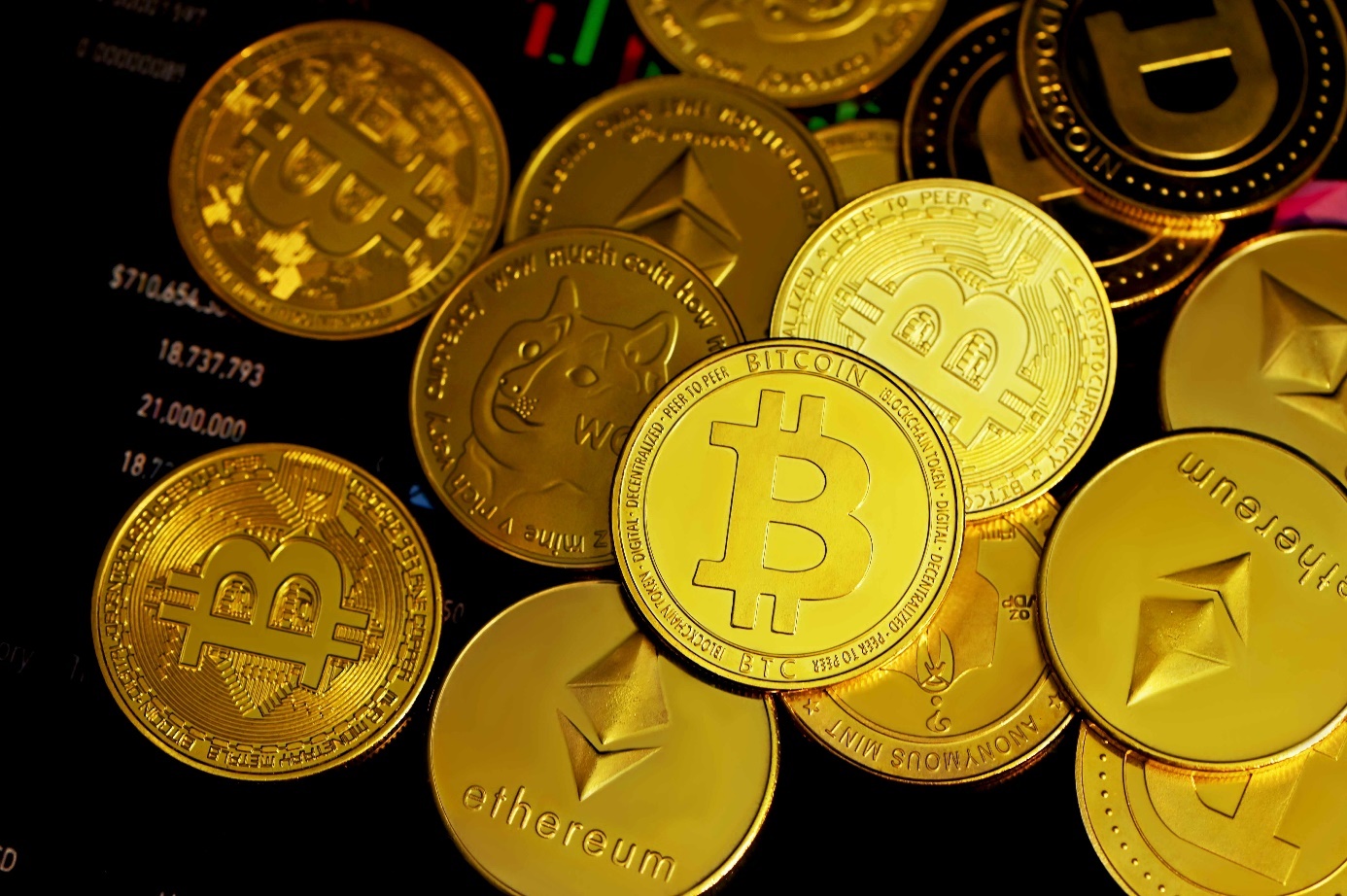
What big developments can we expect in the coming year? That's where the experts at the Amdax Asset Management address this in ten statements.
The approval of several U.S. spot bitcoin ETFs by the Securities and Exchange Commission (SEC) provided the basis for Senator Cynthia Lummis to introduce a bill for a strategic bitcoin reserve in July 2024. The bill calls for the U.S. Treasury to purchase 1 million bitcoin.
This bill, in its current or modified form, is expected to gain approval in both the Senate and House of Representatives, thanks in part to the new Trump administration.
If the U.S. adopts bitcoin as a strategic reserve, it will cause a global chain reaction, with other countries following suit. In particular, countries with weak currencies and high inflation, such as Argentina and Turkey, may see bitcoin as a means of stabilizing their economies.
The likely appointment of Paul Atkins as SEC chairman creates a more favorable regulatory environment for crypto in America. This increases the likelihood of approval of the next crypto spot ETF.
Once a third crypto asset gains approval, other crypto ETFs are expected to follow quickly. The most likely candidates are Solana, XRP, Litecoin and possibly even Dogecoin.
More and more sovereign wealth funds are looking for ways to protect and diversify their national wealth. Inspired by the advice of the world's largest asset manager BlackRock, which considers a 2% allocation reasonable, several funds will include bitcoin in 2025. Bitcoin's scarcity and transparency make it a logical choice in the digital economy.
Sovereign wealth funds already invest in innovative assets such as technology and renewable energy. The ability to invest in bitcoin through spot ETFs, for example, gives sovereign wealth funds more control and strategic advantages than indirect exposure through an investment in MicroStrategy or bitcoinminers.
New European legislation in the form of MiCAR brings clarity and legitimacy within the European crypto sector, but may stifle innovation. Strict compliance rules place a heavy burden on startups, slowing innovation within Europe. Other regions, such as the U.S. and Asia, therefore become more attractive to crypto companies.
In addition, strict ESGregulations add additional costs, excluding smaller and innovative projects. Despite the industry's enhanced credibility, Europe risks falling behind in the global crypto market.
Despite disappointing returns in 2024, Ethereum remains the number one smart contract blockchain. 75% of the total value stored on all blockchains is fixed on the Ethereum network. Fixed value on Ethereum is expected to rise from $91 billion to $200 billion by 2025.
Ethereum is attracting more institutional investors through U.S. spot ETFs and remains the preferred blockchain for tokenization of traditional assets. Thanks to several upgrades, the network is becoming faster and cheaper. This solidifies Ethereum's position as the dominant blockchain in 2025.
Stablecoins have become one of the most successful crypto innovations. The current market capitalization of $200 billion is expected to grow five times, to more than $1 trillion by 2025.
Stablecoins play a critical role in regions with currency devaluation and economic instability, such as Argentina, Turkey and Venezuela, where they provide a secure and accessible store of value. In addition, BlackRock's involvement strengthens the credibility and adoption of stablecoins as a bridge between traditional finance and DeFi.
The hype surrounding memecoins will continue into 2025. Currently, thanks to user-friendly applications and low transaction costs, Solana is the dominant blockchain for memecoins. By 2025, Solana is expected to face more competition from other user-friendly networks, reducing its dominance.
The tokenization of traditional assets (Real World Assets, RWAs) will be a major theme in 2025, with bonds and money market funds in particular increasingly traded on blockchain. Stablecoins initiated this trend, and now initiatives such as BlackRock's BUIDL Fund are accelerating adoption.
As a result, tokenized fixed income is growing into a driving force within the crypto ecosystem, with the goal of greater liquidity, lower transaction costs and broader accessibility.
The popularity of memecoins and speculative assets has led to increased demand for high-throughput Layer-1s. These blockchains process many transactions per second at low cost. Solana was the dominant player in 2024, but will face increasing competition from new Layer-1 blockchains such as Sui, Sei and Aptos in 2025.
Focusing on DeFi, gaming and AI applications, these networks are playing an increasingly important role in the crypto ecosystem. With strong institutional backing and billions in funding, they are positioning themselves as serious competitors to Solana.
The integration of AI and blockchain is exploding. AI infrastructure projects such as BitTensor are gaining popularity, while AI agents are enabling new applications in the crypto world. At least one AI token is expected to reach the top 10 largest crypto assets by 2025.
Driven by innovation, institutional adoption and new regulations, the crypto sector continues to develop at lightning speed. Strategic bitcoin reserves, stablecoins and tokenization are helping to further mature the market. At the same time, AI, high-throughput blockchains and Real World Assets offer new growth opportunities for 2025.
Download the full Amdax House View 2025 here .