
Immersive technologies, such as augmented reality (AR) and virtual reality (VR), are used regularly. Often for positive purposes, but there can also be negative consequences. One might think of the loss of a shared frame of reference, where one can rely on what one sees, as well as virtual rape. The current legal framework is equipped to address the negative consequences, but not to prevent harmful behavior. This is according to research by Considerati commissioned by the WODC.
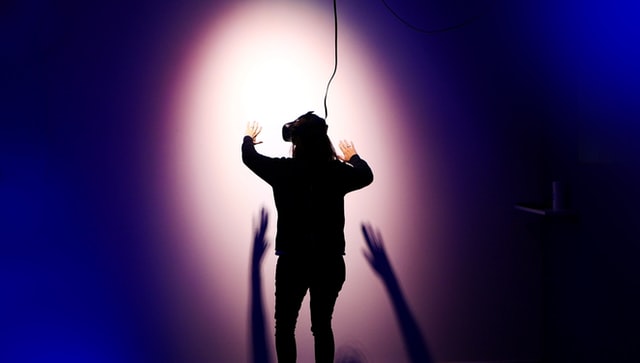
Immersive technology can modify our perception of reality by offering alternative sensory information to our senses. As a result, reality can be modified, expanded or replaced altogether by a virtual reality. The researchers identify five possible negative consequences of immersive technology.
Harmful and illegal behaviors in virtual worlds, such as virtual sexual assault;
Harmful consequences from using immersive technologies in the physical world, for example, unsafe situations when using AR glasses in traffic;
Harmful effects prompted by use of immersive technologies, such as aggressive behavior due to a violent immersive experience;
Social issues, such as how to deal with the disappearance of a shared frame of reference, when persons look at the same object but see different things because they experience a different augmented reality;
Misuse of immersive technologies by third parties, such as through user manipulation.
It is unclear whether and if so how these issues will play a role in the future. Immersive technology is not widely used at present, and little research has been done on the long-term effects of long-term or intensive use of immersive technologies. What the existing research does seem to show is that immersive experiences can have a greater effect on our perception and thus behavior than "traditional" media such as books and movies.
The researchers point out that values such as truthfulness and trust are at stake. Immersive technologies can be used to influence and even manipulate people. The misuse of images of individuals and their data raises questions regarding privacy, bodily integrity and human dignity.
The study shows that the current legal framework is reasonably well equipped to address any negative effects of immersive technologies, especially civil law. However, the current legal options for preventing undesirable and harmful effects of immersive technologies fall short. The researchers make several suggestions for adjustments that could ensure that the negative effects can be addressed. They also point out the need to guide the ethical development and application of immersive technologies.
Read the report here